The Best Western story

Best Western is the chain that is barely a chain, and that is the whole idea. When it started in 1946, it was not one company building identical hotels but a network of independently owned ones agreeing to share a name and a standard. Nearly eighty years later it still works that way, which is why no two quite feel the same.
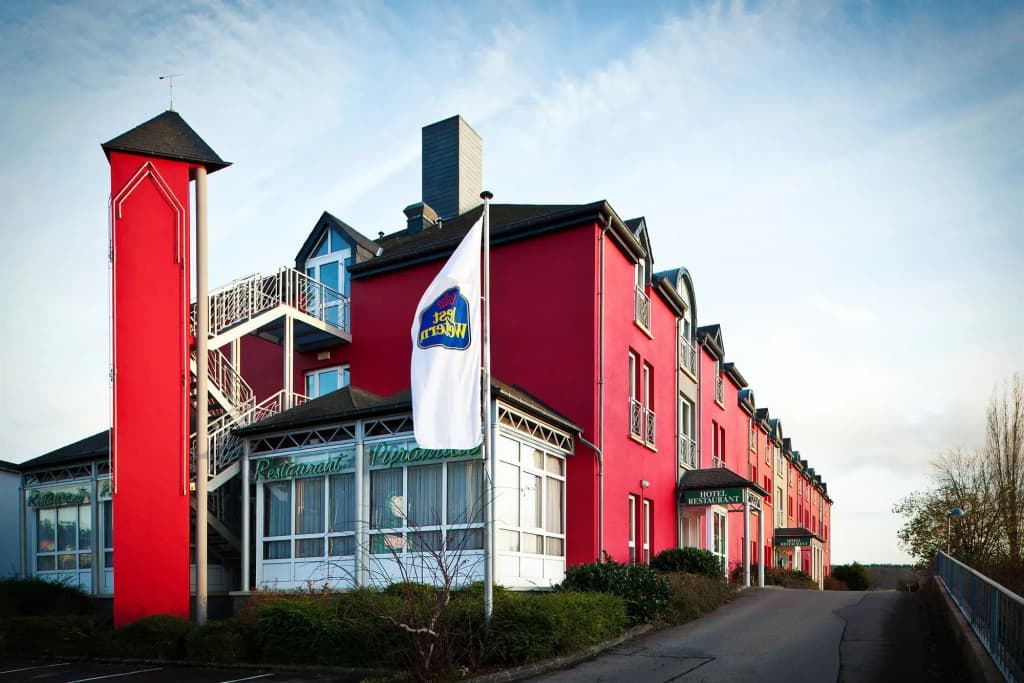
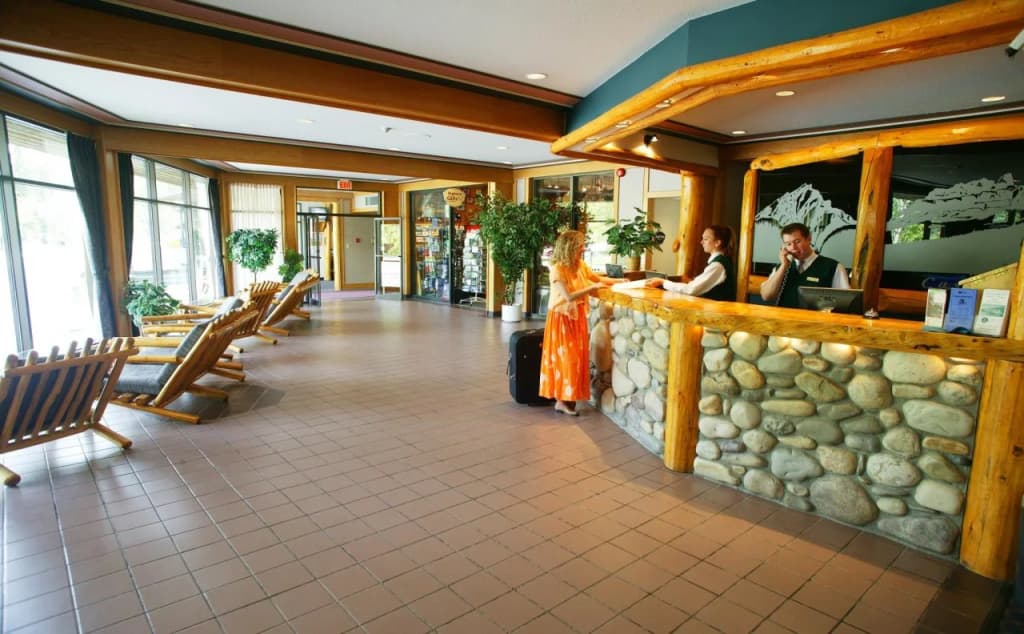
That independence is the appeal. A Best Western in a small town is usually run by someone who lives there, so it often carries a bit of local character, while the shared standards mean you still know roughly what you are walking into. Above the familiar Best Western and Best Western Plus sit more upscale collections, WorldHotels and Best Western Premier, for a step up.
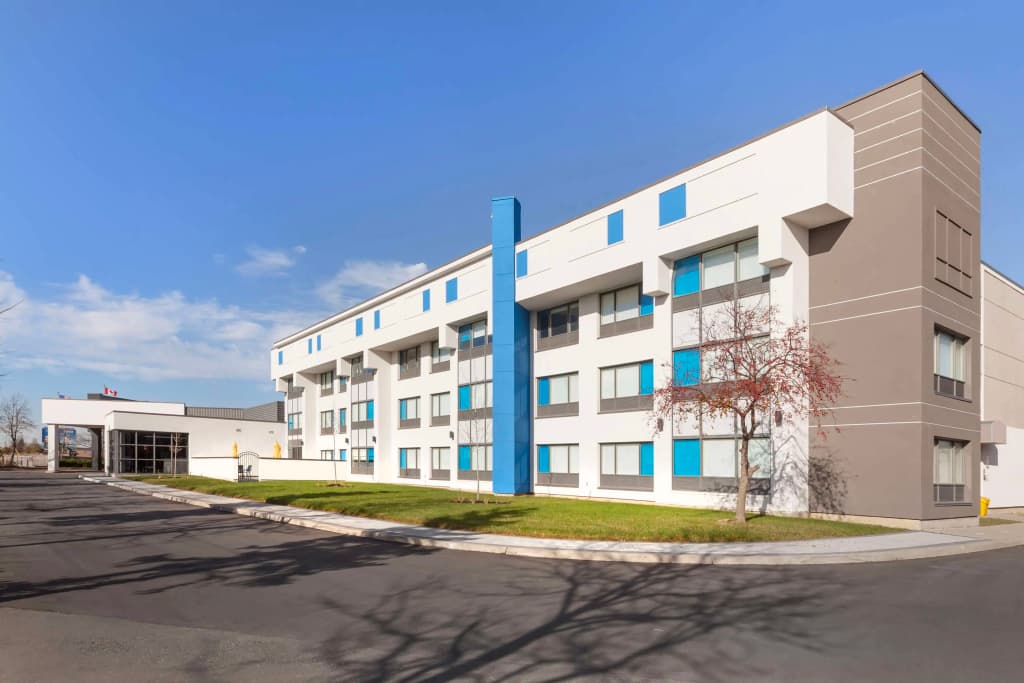
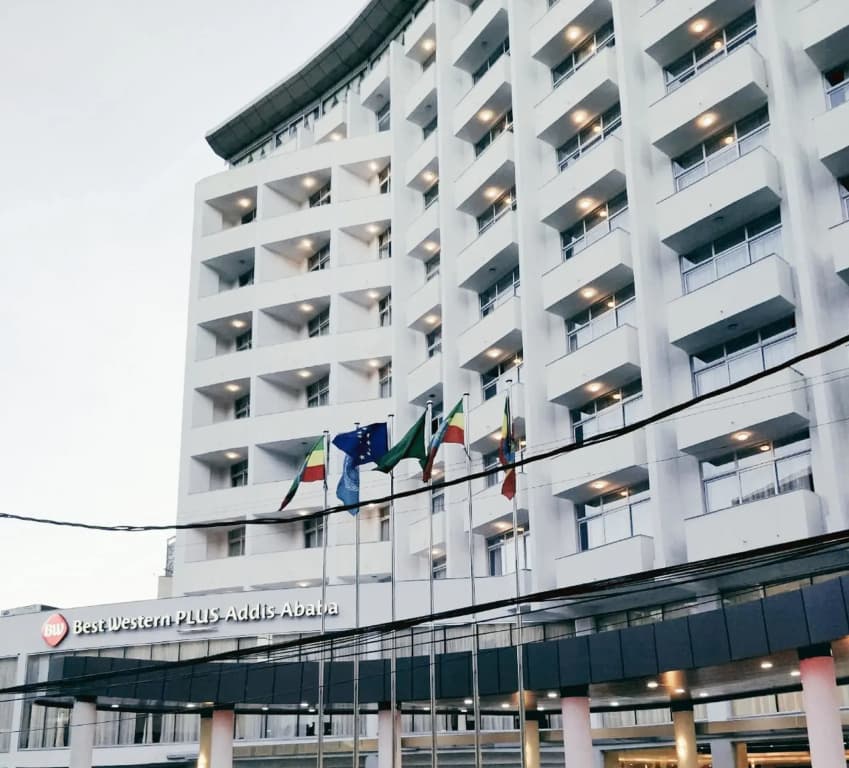
Its reach is the other half of the story. With more than 200 Best Western hotels across Canada, from city corners to mountain gateways like Banff, it turns up in the highway towns and regional hubs that make a road trip or a multi-stop tour possible.
Like a few of its peers, Best Western is honest about what it is not. There are no all-inclusive resorts in the family. It is a brand for exploring by car and covering ground, dependable and a little characterful, and for that kind of travel there are few names as widespread or as easy to rely on.