
The Accor story

Accor is the largest hotel company born in Europe, and it brings a European idea of hospitality, that a hotel can be a destination in its own right, to more than 5,800 properties across over 110 countries.
For a lot of travellers, the way into Accor is Fairmont. Long before it was a global brand, Fairmont was the collection of grand railway hotels built to give travellers a reason to ride to the end of the line. The Château Frontenac has crowned Québec City since 1893. The Banff Springs sits like a castle in the Rockies, the Empress presides over Victoria’s harbour, and the Royal York opened in 1929 as the tallest building in the British Empire. These are not hotels that happen to sit in landmark places. They are the landmarks.
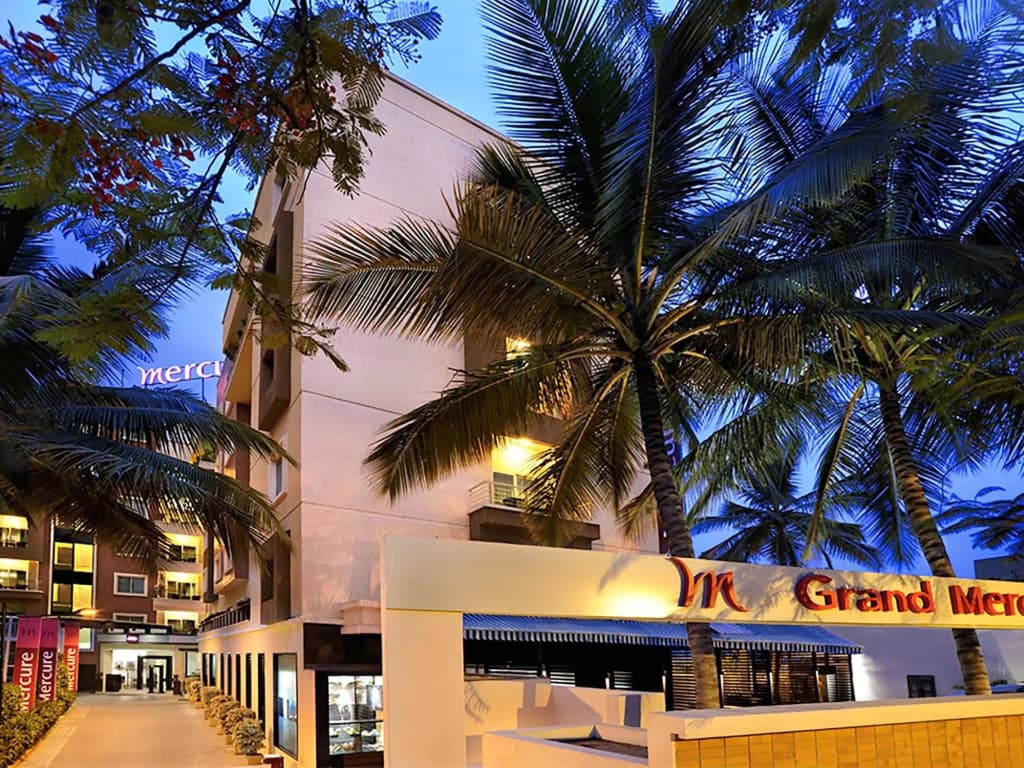
Around Fairmont, Accor runs one of the widest ranges in the business. At the top are Raffles, Orient Express and the French polish of Sofitel, names you plan a trip around. In the middle sit Pullman, Swissôtel, Mövenpick and the boutique MGallery. Beneath them, the everyday names, Novotel, Mercure and the budget-friendly ibis, make the group as useful for a working week in Lyon as for a stay you will remember for years. More recently it has pushed into design-led lifestyle hotels, the kind built as much for the bar downstairs as the bed upstairs.
Accor does sun, too, though on its own terms. Its all-inclusive resorts, led by Rixos, lean Mediterranean and Middle Eastern, around Turkey, Egypt and the Gulf, rather than the Caribbean. Put it together and Accor is less a single brand than a way of travelling: European in feel, vast in reach, and, at its best, able to turn a night’s stay into the reason you remember the trip.